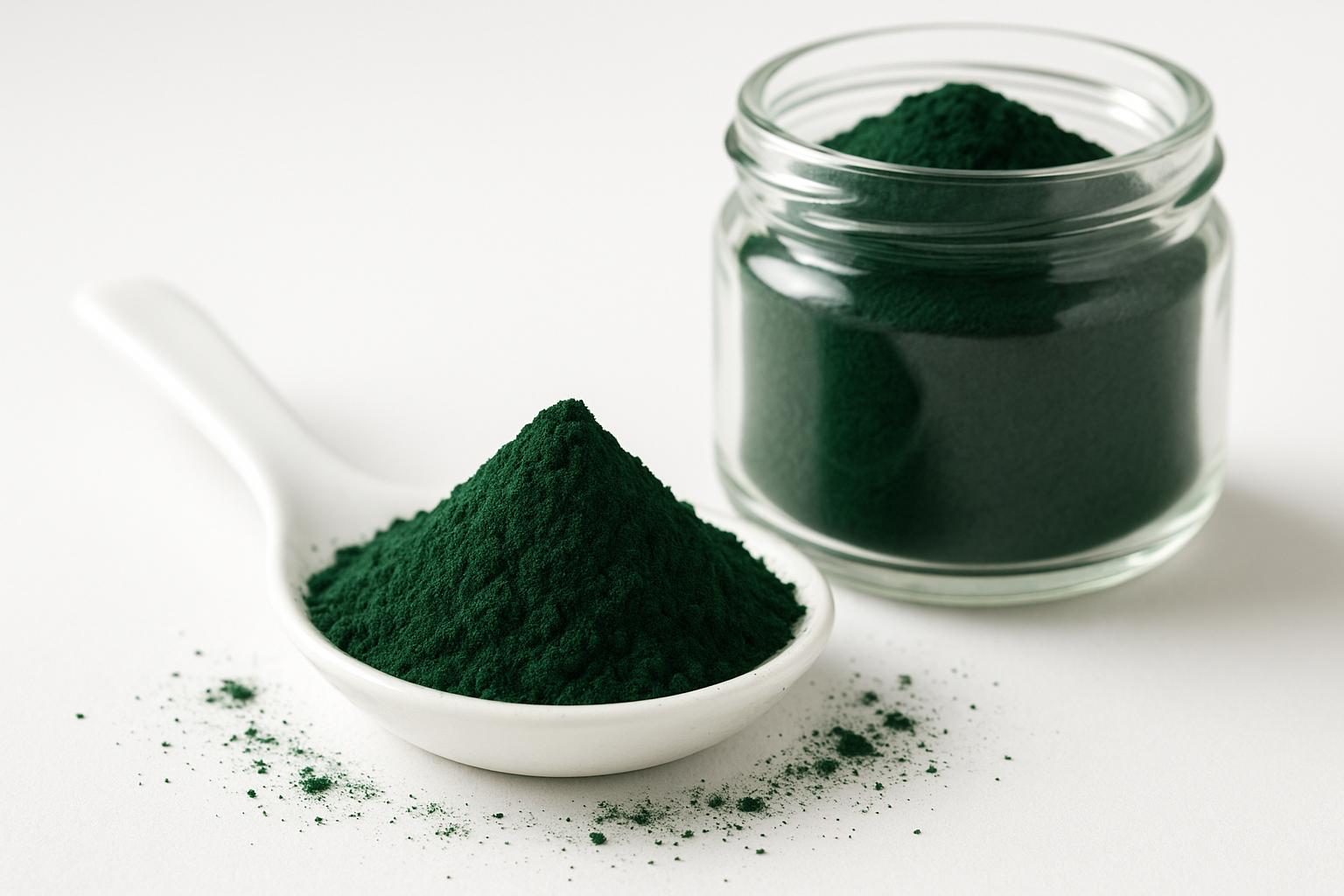
Spirulina powder has been used as a food source for many years. Today, it is available in powder and tablet forms and is commonly used by people who want to include more nutrients in their diet.
But what exactly is spirulina powder? What are its benefits? How can you use it, and does it have any side effects?
In this article, we will explain everything about spirulina powder uses, benefits, nutrition, and side effects in simple English.
What Is Spirulina Powder?
Spirulina is a type of blue-green microorganism called cyanobacteria. It grows naturally in certain water environments and is known for its rich nutritional content.
Spirulina powder is made by harvesting, drying, and grinding spirulina into a fine powder.
It is usually dark green or blue-green in colour and has a strong earthy taste.
Spirulina contains:
- Plant-based protein
- Iron
- Copper
- Some B vitamins
- Phycocyanin (a natural blue pigment)
- Other antioxidants and plant compounds
Because of these nutrients, spirulina is commonly used as a dietary supplement.
10 Benefits of Spirulina Powder
1. Rich in Plant-Based Protein
One of the best-known features of spirulina is its high protein content.
Protein is important for building and repairing body tissues. It also helps support muscles and many normal body functions.
Spirulina powder can add some extra protein to your diet. However, it should not replace other protein-rich foods such as pulses, beans, dairy, eggs, or nuts.
2. Contains Powerful Antioxidants
Spirulina contains natural antioxidants, especially a blue pigment called phycocyanin.
Antioxidants help protect cells from damage caused by unstable molecules called free radicals.
This is one reason spirulina has attracted interest in nutrition research.
3. May Support Healthy Cholesterol Levels
Some human studies suggest that spirulina may help improve certain cholesterol levels, including LDL cholesterol and triglycerides.
However, results vary, and more research is needed to understand its long-term effects.
Spirulina should not replace cholesterol medication or a heart-healthy diet.
4. Contains Iron
Iron is an important mineral that helps the body make haemoglobin. Haemoglobin carries oxygen through the blood.
Spirulina contains iron and may contribute to your daily iron intake.
However, the amount of iron can vary between products. Spirulina should not be used as the only treatment for iron deficiency or anaemia.
5. May Support Normal Immune Function
Your immune system needs different nutrients to work properly.
Spirulina contains protein, minerals, and antioxidant compounds that are being studied for their possible effects on immune function.
However, there is not enough strong evidence to say that spirulina prevents infections or guarantees better immunity.
6. May Help Support Healthy Blood Sugar Levels
Some early human studies suggest that spirulina may have an effect on blood sugar levels.
However, the evidence is still limited, and spirulina is not a proven treatment for diabetes.
People with diabetes should speak with their doctor before taking spirulina supplements, especially if they use blood sugar-lowering medicines.
7. Provides Nutrients for an Active Lifestyle
People with active lifestyles need enough protein, vitamins, minerals, and energy from their daily food.
Spirulina provides protein and several useful nutrients that can contribute to a balanced diet.
You can add it to smoothies or other meals as part of your regular nutrition routine.
However, spirulina is not a replacement for proper meals, exercise, or rest.
8. Contains Phycocyanin
Phycocyanin is the natural blue pigment responsible for spirulina’s blue-green colour.
It is also an antioxidant compound that researchers are studying for its possible health effects.
This makes spirulina an interesting ingredient in nutrition research.
9. May Support Heart Health
Some research suggests that spirulina may help improve certain heart-health markers, such as cholesterol and blood pressure.
However, more high-quality human studies are needed before making strong health claims.
For better heart health, eat a balanced diet, exercise regularly, avoid smoking, and follow medical advice.
10. Easy to Add to Your Daily Diet
Spirulina powder is simple to use and can be added to many everyday foods and drinks.
You do not need complicated recipes to include it in your diet.
You can mix it into:
- Fruit smoothies
- Fresh juices
- Drinking water
- Yogurt
- Homemade energy drinks
- Healthy breakfast bowls
Start with a small amount because spirulina has a strong taste.
Uses of Spirulina Powder
Spirulina powder is mainly used as a nutritional supplement. Here are some common ways people use it.
1. For Daily Nutrition
People add spirulina to their food to increase their intake of protein and other nutrients.
2. In Smoothies and Juices
Mix a small amount of spirulina powder into fruit smoothies or fresh juices. Banana, pineapple, and mango can help balance its earthy taste.
3. In Healthy Recipes
You can add spirulina powder to yogurt, breakfast bowls, and homemade healthy snacks.
4. For Plant-Based Diets
People following vegetarian or vegan diets may use spirulina as an additional source of plant-based protein and certain minerals.
Remember that spirulina does not provide every nutrient your body needs.

How to Use Spirulina Powder Daily
If you are new to spirulina, begin with a small serving and follow the instructions on the product label.
Here are some simple ways to use it:
Morning: Add a small amount to a banana or mango smoothie.
Afternoon: Mix it into fresh juice or yogurt.
With food: Add a little to a homemade breakfast bowl or healthy recipe.
There is no single scientifically established daily dose suitable for everyone. The correct amount depends on the product and your individual needs.
Side Effects of Spirulina Powder
Although spirulina is used as a food supplement, it may not suit everyone.
Some people may experience side effects, especially when taking large amounts or using poor-quality products.
Possible side effects include:
1. Stomach Discomfort
Some people may experience stomach pain, bloating, nausea, or diarrhoea after consuming spirulina.
2. Headaches
Some users may report headaches after taking spirulina. If this happens, stop using it and seek medical advice if symptoms continue.
3. Allergic Reactions
Some people may be allergic to spirulina. Stop using it if you notice itching, swelling, rashes, or breathing difficulties. Seek urgent medical care for serious allergic symptoms.
4. Contamination Risk
Poor-quality spirulina products may contain harmful substances, including toxins from other microorganisms or heavy metals.
Always choose products from reliable manufacturers that follow proper quality testing.
5. Possible Medicine Interactions
Spirulina may interact with certain medicines, including medicines that affect the immune system or blood clotting.
If you take regular medication, consult your doctor before using spirulina.
Who Should Avoid Spirulina Powder?
Spirulina may not be suitable for everyone.
The following people should consult a healthcare professional before using it:
- Pregnant or breastfeeding women.
- People with autoimmune conditions.
- People taking immune-suppressing medicines.
- People with known allergies to spirulina.
- People with certain medical conditions or those taking regular medicines.
Children should only use spirulina products under appropriate medical guidance.
How to Choose Good-Quality Spirulina Powder
Choosing good-quality spirulina powder is important for your safety.
Before buying, check the following:
- Quality: Choose products from reliable manufacturers.
- Ingredients: Check whether the product contains pure spirulina or additional ingredients.
- Testing: Look for information about testing for heavy metals and harmful toxins.
- Packaging: Choose properly sealed packaging that protects the powder from moisture.
- Expiry date: Always check the manufacturing and best-before dates.
- Storage: Follow the storage instructions given on the package.
Do not choose a product only because it is cheap. Product quality and safety are important.
Spirulina Powder vs Other Green Superfood Powders
Spirulina, moringa, and wheatgrass are popular plant-based powders. However, they have different nutritional profiles.
| Powder | Main Nutritional Features |
|---|---|
| Spirulina | Protein, iron and phycocyanin |
| Moringa | Plant nutrients, minerals and antioxidants |
| Wheatgrass | Plant compounds and chlorophyll |
Each powder has different nutritional properties. Choose according to your dietary needs and preferences.
Frequently Asked Questions About Spirulina Powder
1. What are the main benefits of spirulina powder?
Spirulina powder contains protein, iron, and antioxidant compounds. It can contribute to a balanced diet and may help improve certain health markers, although more research is needed.
2. Can I take spirulina powder every day?
Some adults use spirulina daily as a dietary supplement. Follow the product instructions and consult a healthcare professional if you have a medical condition or take medicines.
3. What is the best time to take spirulina powder?
There is no scientifically proven best time. You can add spirulina to your morning smoothie or another meal according to your preference.
4. Is spirulina powder good for weight loss?
Spirulina is not a proven weight-loss solution. Some studies have explored its possible effects on body weight, but the evidence is limited. Healthy eating and regular physical activity are more important.
5. Is spirulina suitable for vegetarians?
Yes. Spirulina is a non-animal food source and can be included in vegetarian and vegan diets.
6. Can spirulina increase haemoglobin?
Spirulina contains iron, which is needed to make haemoglobin. However, there is not enough reliable evidence to recommend it as a treatment for anaemia or low haemoglobin.
7. Can I mix spirulina with milk?
Yes, you can mix spirulina powder with milk or plant-based milk if you enjoy the taste. You can also add banana or other fruits.
8. Does spirulina have any side effects?
Possible side effects include stomach discomfort, nausea, headaches, and allergic reactions. Contamination is also a concern with poorly tested products.
Final Thoughts
Spirulina powder is a nutrient-rich blue-green food supplement that contains protein, iron, and natural antioxidant compounds.
It can be a convenient addition to smoothies, juices, and everyday recipes. It may also have some health benefits, but many of these are still being studied.
Always choose good-quality spirulina powder, follow the product instructions, and consult a healthcare professional if you have health concerns or take regular medicines.
At Sushma Foods, we believe that healthy food choices begin with understanding what we eat. Explore our range of plant-based powders and discover simple ways to add variety to your daily diet.
Disclaimer: This article is for general educational purposes only. Spirulina powder is not a medicine and should not replace prescribed medical treatment or professional medical advice.
Leave a Reply